



Timing systems and GPS systems are often discussed as if they answer the same question. They do not.
A timing system measures how long it takes an athlete to move between defined points. A GPS system estimates movement speed and load across a broader activity. Both can be useful. They are not interchangeable.
What timing data measures
Timing data measures elapsed time. In sprint testing, that may include 5m time, 10m time, 20m time, flying split, total sprint time, or repeated sprint output.
The value is clarity. A coach knows the distance, the split, and the time recorded. This makes timing data useful for acceleration testing, max velocity exposure, return-to-play speed benchmarks, and repeated sprint comparisons.
What GPS data measures
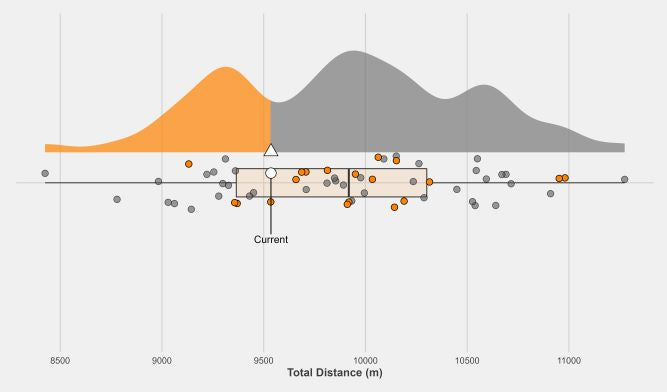
GPS systems estimate movement across time. Depending on the system, coaches may review total distance, high-speed running distance, peak speed, acceleration events, deceleration events, and player load metrics.
GPS is useful in field sports because it shows what happened across a practice or match. It can reveal exposure, workload, and positional demands. It is less direct for short sprint timing.
Why short sprints are different
Short sprint testing needs defined start and stop points. A 10m split or flying 30m is a controlled test. The coach wants to know how long the athlete took to cover that distance.
GPS can estimate speed, but sample rate, signal quality, filtering, and device placement can affect short-duration outputs. That does not make GPS useless. It means GPS should be used for the right question.
When to use timing data
Use timing data when the question is: Did the athlete run faster over this distance? Did acceleration improve? Did max velocity exposure change? Did fatigue affect repeated sprint output? Is the athlete ready for a higher speed benchmark?
Timing data is strongest when the test is controlled.
When to use GPS data
Use GPS data when the question is: How much high-speed running did the athlete complete? What was the peak speed exposure in practice? How did workload compare between sessions? Did positional demands change? Was the athlete exposed to enough speed in the week?
GPS is strongest when the context is open-field sport.
Where Freelap fits
Freelap supports controlled timing. It gives coaches direct split data for sprint testing and speed development sessions.
GPS can still support broader monitoring. The systems can work together if coaches understand the difference. Timing data confirms controlled outputs. GPS describes field exposure.
Practical recommendation
Use timing systems for controlled sprint tests. Use GPS for workload and sport exposure. Do not replace one with the other without changing the question.
Common Questions:
Is GPS accurate enough for sprint testing?
GPS can estimate speed, but controlled sprint testing is usually better served by timing systems that measure defined distances and split times.
What is the difference between timing data and GPS data?
Timing data measures elapsed time between defined points. GPS data estimates movement, speed, and workload across a session or match.
Can coaches use both timing systems and GPS?
Yes. Coaches can use timing systems for controlled testing and GPS for monitoring field sport workload and speed exposure.


Share:
How Coaches Should Use Sprint Timing Data Without Overreacting
How Often Should Coaches Test Sprint Speed?