



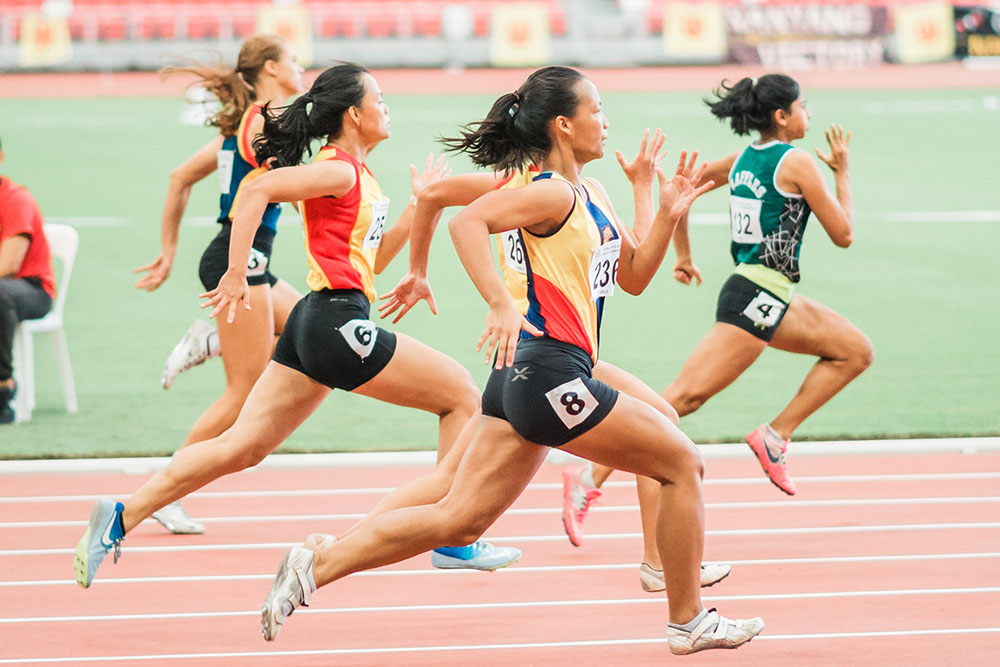
A full roster can turn a simple sprint test into an administrative problem. Athletes arrive late, the start line shifts, one runner misses a split and a result appears without a clear name.
Those mistakes are avoidable. A useful speed testing day is built around a repeatable protocol and a workflow that catches errors while athletes are still on the field.
Choose the few tests that answer a coaching question
Do not start by selecting every drill your timing system can perform. Decide what you need to learn. Short acceleration splits may help when the focus is first-step speed. A longer sprint can add information about later acceleration or higher-speed running. Change-of-direction tests ask a different question. Choose distances appropriate to the sport, age group, space and training objective.
Write the start rule before the first athlete arrives
Specify whether the athlete uses a standing start, a movement start or a signal. Record the starting stance and the location of the first timing point. Tell every athlete the same instructions. If the start rule changes halfway through the roster, the results no longer belong to a single clean comparison group.
Prepare the athlete roster
Give each athlete a unique identifier, not just a first name. Include the date, test, distance, attempt number and any relevant grouping information. Keep a place to flag invalid attempts. If a coach needs to compare this month's results with the next test day, the athlete ID and protocol details matter as much as the sprint time.
Measure and document the lane
Measure the testing distance rather than relying on field markings that may not match the protocol. Mark the start, intermediate splits and finish. Record the equipment placement in a simple diagram or photo. Keep the lane free of warm-up traffic, and assign an area where athletes can recover between efforts.
Placement: After the lane-setup section. Freelap Canada's football speed and agility overview shows practical testing applications.
Assign responsibilities
At minimum, someone should manage the athlete queue, someone should supervise the start and someone should check incoming timing data. Small staffs can combine roles, but they should not leave data validation to the end of the session. The next athlete should not begin until the previous result has been checked when the system or protocol requires that separation.
Build a consistent warm-up and rest structure
Use the same warm-up sequence and progression to maximal efforts. Plan sufficient recovery for the test's purpose and the athletes' level. Note unusual conditions such as slippery turf, a footwear change or a shortened recovery. If an athlete stumbles, flag the attempt instead of treating the resulting time as a performance decline.
Check every result as it arrives
Verify athlete identity, test name, attempt number and expected splits. If a split is missing or a run is invalid, make the decision to repeat or exclude it while the athlete is still available. Do not silently overwrite a result or guess which athlete produced an orphaned time.
The Freelap Canada charging tutorial illustrates a practical equipment-readiness step for teams using multiple FxChip BLE transponders.
Have a recovery plan for missed data
Before testing, learn what your system can and cannot recover after a connection problem. Some workflows allow retrieval of a recent result from an athlete-worn device, but recovery conditions and limitations matter. Train staff to identify a missing result immediately rather than waiting until the final export.
Freelap Canada tutorial on recovering the latest stored time from an FxChip BLE.
Name exports so they can be found again
Use a consistent filename convention, such as team, test, location and date. Keep the raw export separate from summary charts and rankings. Save protocol notes with the file. A later reviewer should be able to determine which timing system, distances, start method and conditions produced the numbers.
Review results without overreacting
One athlete's fastest attempt is not a complete performance story. Compare like-for-like trials and look for patterns across sessions. A change in the first split may tell a different story from a change in the full sprint. Investigate large swings before treating them as proof that a training intervention worked or failed.
How Freelap fits into team testing
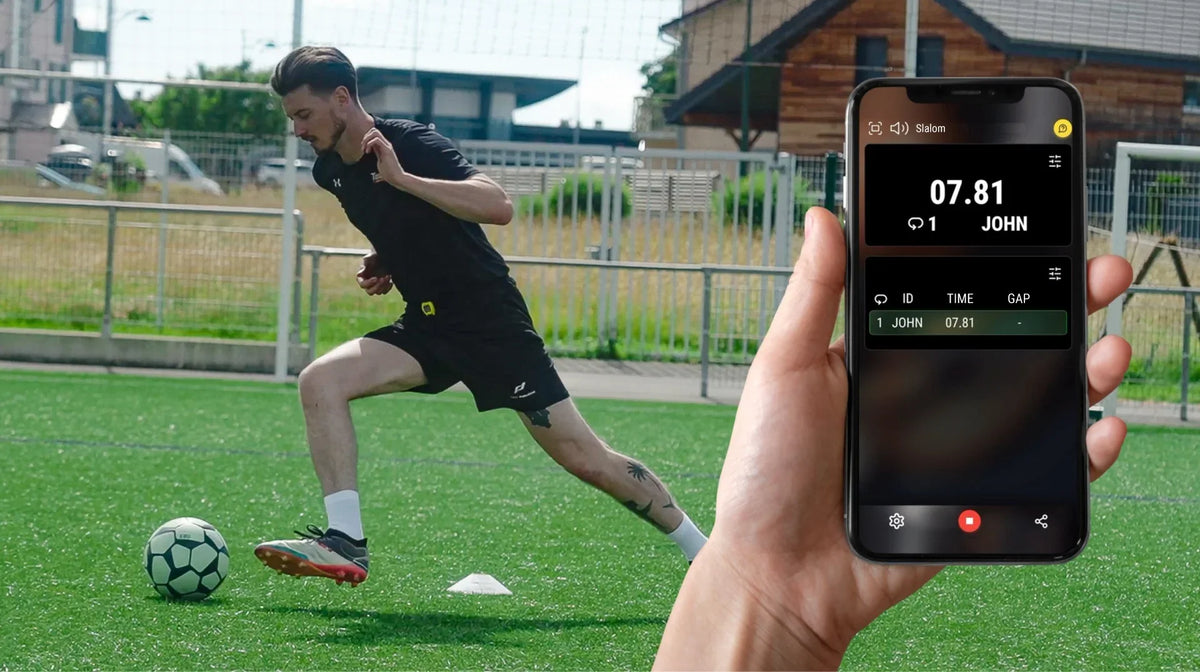
Freelap's wearable timing equipment and MyFreelap workflow can support automatic timing and organized results collection. The exact hardware configuration depends on the test, timing points and roster. Test the setup with a small group first. Confirm that athlete identification, device readiness, split capture and export work before the full squad arrives.
Frequently asked questions
How many sprint attempts should we collect?
There is no universal number. Choose enough high-quality attempts for the coaching objective, while managing fatigue and keeping the rule consistent across sessions.
Should we publish the leaderboard immediately?
Only after validating athlete identities, start conditions and results. A rushed leaderboard built from mixed protocols is more likely to create confusion than useful feedback.
What is the minimum information to save?
Athlete ID, date, test, distance, start method, split layout, attempt number, result and relevant notes. Preserve the raw export.
Can the same session include agility drills?
Yes, if the tests serve your coaching objective and the schedule allows adequate recovery. Keep sprint and change-of-direction results in separate categories.
Related Freelap Canada guides
How to Build a Speed Testing Protocol for Team Sport Athletes
What Data Should Coaches Record During Sprint Testing?
How Coaches Should Use Sprint Timing Data Without Overreacting
Next step
Before your next team testing day, map the number of athletes, distances and timing points. Ask Freelap Canada to help specify the equipment and workflow for your program.

Share:
How to Compare Sprint Timing Systems Without Misreading the Results
How to Use MyFreelap Results Without Losing Testing Context