




A coach shopping for a sprint timing system is not simply buying a stopwatch with more digits. The equipment decides when an attempt begins, where the clock records a split and how a result gets assigned to an athlete.
Two systems can show different times for the same run without either being defective. The right comparison begins with the protocol your program needs to run.
Start with the test, not the brand
Write down your three most common tests before reviewing hardware. A 10 m acceleration test, a flying 20 m and a 5-10-5 shuttle have different demands. Specify the distance, start position, direction of travel, number of athletes and data you need to keep. A system that excels at a straight sprint may require a different configuration for a multidirectional drill.
What actually starts the clock?
Some systems begin when an athlete breaks a beam. Others use a wearable device, a starting pad, or a signal-based trigger. These are different events. For standing starts, document the stance, start line and instructions. For a flying sprint, identify the run-in distance and the precise beginning of the timed segment. For reaction-time testing, separate the delay after the signal from the sprint itself.
When comparing products, ask the vendor to demonstrate the exact start you plan to use. Do not assume a 40-yard time recorded with one start method can be placed beside a result from another method without qualification.
Where does each split occur?
An intermediate split is useful only if the location and detection method are understood. Mark each distance with a measured reference point. Record the height or position of a gate, or the transmitter placement required for a wearable system. Make sure athletes pass through the same geometry on each attempt. If your historical data came from a different system, retain the device name and protocol with every result.
How many athletes can you test in an hour?
For a team, throughput is a practical performance metric. Ask how athletes are identified, whether closely spaced attempts can be handled, and how a coach checks the result before the next runner begins. Time a complete mock session: setup, warm-up, ten attempts, invalid-run handling and export. The best hardware for an individual sprint coach may not be the best workflow for a crowded training facility.
What happens when an attempt is invalid?
A false start, a stumble or a wrong-lane crossing should not become a mystery entry in the results sheet. Ask how the software flags or removes attempts and whether it preserves enough context to explain a retest. Staff should be able to correct a session without losing other athletes' data.
How portable is the complete system?
Compare the full kit, not just the headline sensor. Count transmitters or gates, wearables, tripods, charging equipment, batteries, cases and the phone or tablet required for collection. Consider whether the equipment can be installed consistently on indoor turf, an outdoor track and a temporary testing lane.
Precision is not the same as comparability
A display that shows hundredths of a second does not establish that two testing protocols measure the same thing. Start detection, measurement-point location, footwear, surface, warm-up and rest all affect interpretation. A repeatable protocol is more valuable than an impressive-looking single result. When switching systems, run a controlled overlap period rather than silently combining old and new results.
What should the data export contain?
At minimum, retain athlete ID, date, test, start method, distance, split configuration, attempt number and result. Add environmental or protocol notes when they matter. Ask to see an actual exported file before purchasing. A result that cannot be connected to the athlete and test conditions will be difficult to use in long-term coaching decisions.
What does ownership really cost?
Request a complete bill of materials for your real setup, including extra timing points, athlete devices, accessories, shipping to Canada, replacements and any ongoing software charges. Compare costs against the session you need to run, not the smallest starter package shown on a product page.
Where Freelap fits
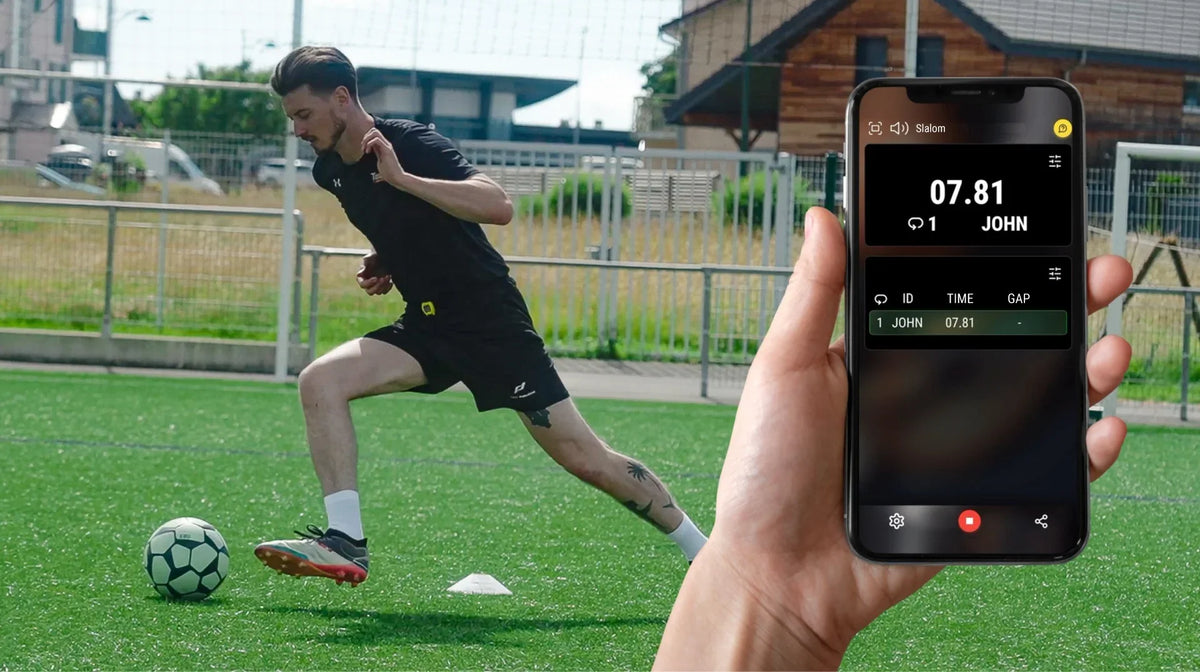
Freelap's wearable timing approach is worth examining for programs that need portable sprint splits and a mobile results workflow. Conventional timing gates may suit other protocols or established standards. Neither architecture should win by default. Ask Freelap Canada to specify the exact transmitter, transponder and MyFreelap configuration for your distances, athlete count and start method.
A practical comparison worksheet
Score each candidate from one to five for start-method fit, split flexibility, athlete throughput, portability, staff usability, data export and total cost. Weight the categories based on your program. A school team may care most about throughput; a private sprint coach may prioritize rapid setup and repeatable intermediate splits. Require a demonstration for any high-priority category before committing.
Frequently asked questions
Can I compare times from different electronic systems?
Only with clear documentation. Different start and detection methods can produce systematically different values. Keep systems identified and validate any transition.
Does wireless mean no setup?
No. Wireless equipment still needs correct positioning, athlete assignment, charging and protocol checks.
Is the lowest advertised kit price the best deal?
Not necessarily. Compare the complete hardware and software needed for the tests you actually run.
Related Freelap Canada guides
Brower vs SmartSpeed vs Dashr vs Freelap
Why Different Timing Systems Produce Different Sprint Times
How to Set Up Sprint Timing for Repeatable Split Data
Next step
Bring your testing plan to Freelap Canada. Specify your distances, athlete count, start method and desired splits. The right system is the one that can demonstrate your complete workflow, not just a fast number on a screen.
Share:
Sprint Timing System Buyer Checklist for Coaches
How to Run a Team Speed Testing Day Without Losing Data