



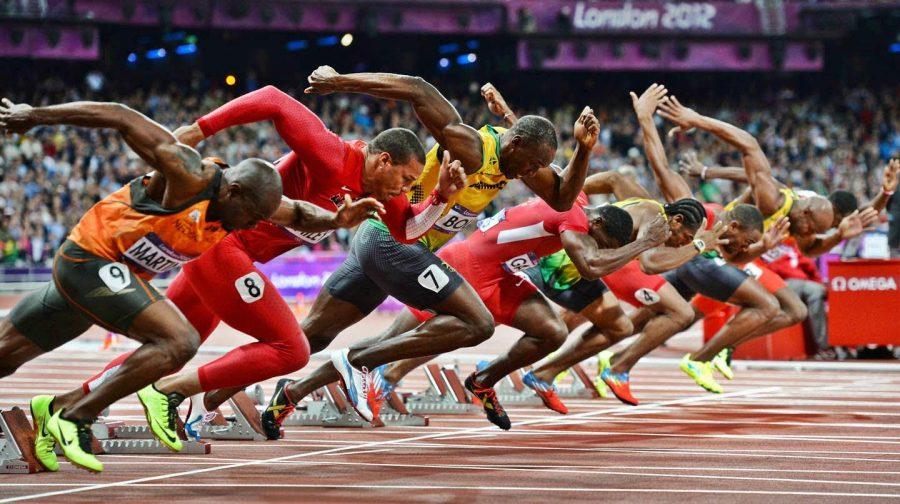
Repeatable split data starts before the athlete runs. The timing system matters, but the setup defines the measurement.
If distance, start protocol, trigger points, or surface change from session to session, the data becomes harder to trust. The goal is simple: make the test easy to repeat.
Choose the question first
Do not start by placing equipment. Start with the coaching question.
Examples: Is the athlete improving acceleration? Is max velocity exposure changing? Is speed dropping across repeated efforts? Is a return-to-play athlete tolerating higher outputs?
The question determines the test. Acceleration work may need 5m, 10m, and 20m splits. Max velocity testing may need a flying zone. Repeated sprint work may need fewer splits and more consistent rest periods.
Keep distances consistent
Distances must be measured the same way each time. Record the exact split points. Use the same start line. Use the same lane or field area when possible.
Small distance changes create noise. A timing system can produce consistent readings, but it cannot correct a setup that changes each session.
Standardize the start
Start protocol has a major effect on sprint times. Decide whether the athlete will use a three-point start, standing start, rolling start, flying entry, or sport-specific start. Then keep it consistent.
A standing start and a three-point start do not measure the same thing. A rolling start and a stationary start should not be compared as if they are the same test.
Control the trigger point
Different timing systems define start and stop events differently. Beam systems trigger when a beam is broken. Wearable systems trigger when the chip passes a field. Hand timing depends on human reaction.
This is why consistency matters more than switching systems to chase a smaller advertised number. Use one measurement method for the testing block and keep the trigger conditions stable.
Reduce session friction
A setup that is accurate but too slow will not last. Coaches need systems that fit the training environment.
If the setup requires constant alignment, staff attention, or athlete management, it may reduce testing frequency. Repeatable data depends on repeatable use.
Where Freelap fits
Freelap is useful when coaches need split timing with limited setup friction. Wearable chips and transmitters reduce beam alignment issues and allow coaches to run sessions without placing tripods in sprint lanes.
That does not make every other system wrong. It defines the use case. Freelap fits training environments where repeatable split data and practical workflow matter.
Practical setup checklist
Before testing: define the test question, confirm split distances, standardize the start, use the same surface and lane when possible, record the setup, and keep the same timing method across the block.
Common Questions:
How do you make sprint timing data repeatable?
Use the same test distance, start protocol, timing method, surface, and split structure each session.
Why do sprint split times change between setups?
Split times change when distance, start position, trigger method, athlete posture, or environmental conditions change.
Is repeatability more important than precision?
For training decisions, repeatability is often more useful than the smallest possible precision claim because coaches need comparable data over time.


Share:
What Data Should Coaches Record During Sprint Testing?
What Makes Sprint Timing Data Comparable Across Sessions?