



The Blog For Athletes & Coaches
FreeLap Timing Blog
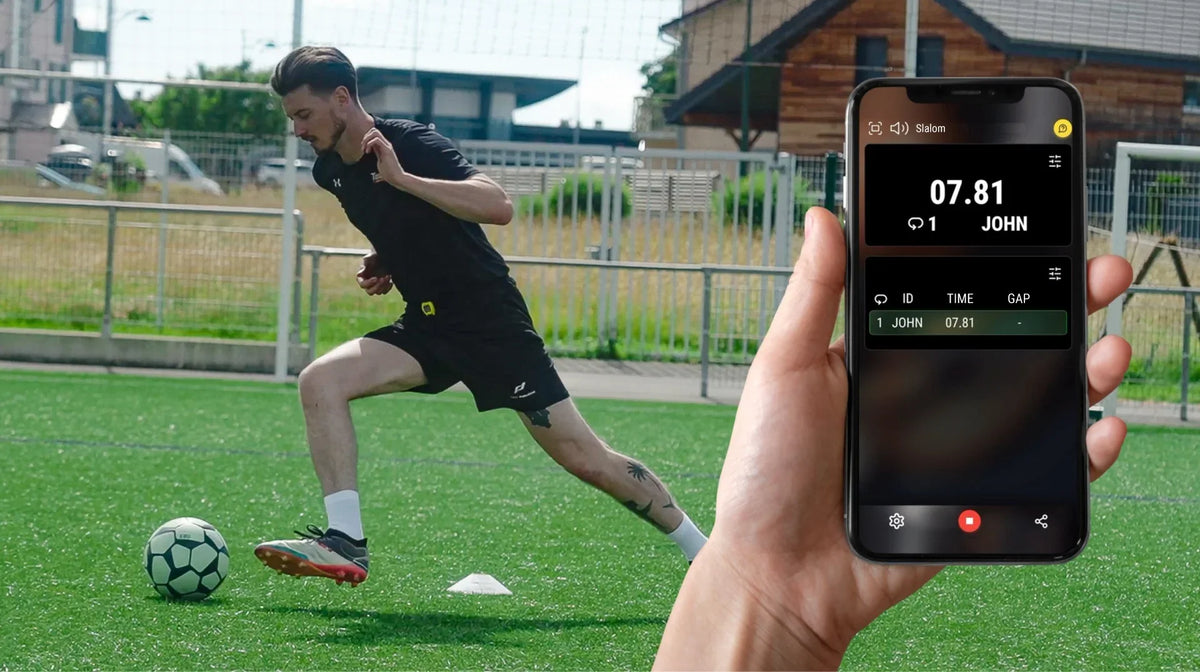
How to Use MyFreelap Results Without Losing Testing Context
MyFreelap results are most valuable when every sprint is tied to the right athlete and protocol. Here is how coaches can manage splits, missing times and testing records.
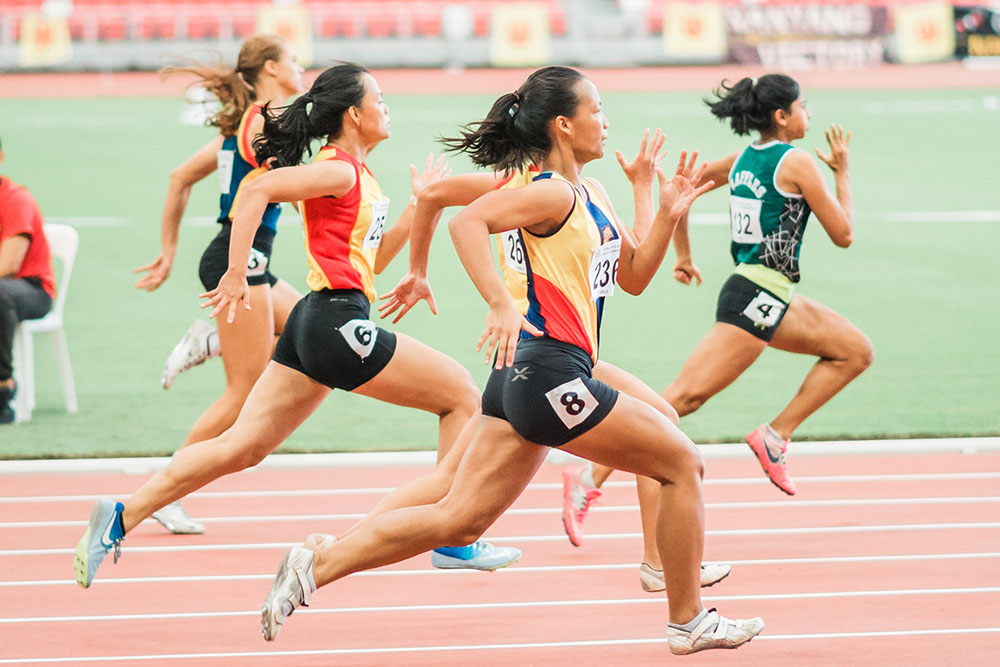
How to Run a Team Speed Testing Day Without Losing Data
Run a reliable team sprint testing day with clear athlete IDs, repeatable start rules, split timing and clean data exports.

How to Compare Sprint Timing Systems Without Misreading the Results
Learn how to compare sprint timing systems by start method, split placement, athlete throughput and data workflow before buying.
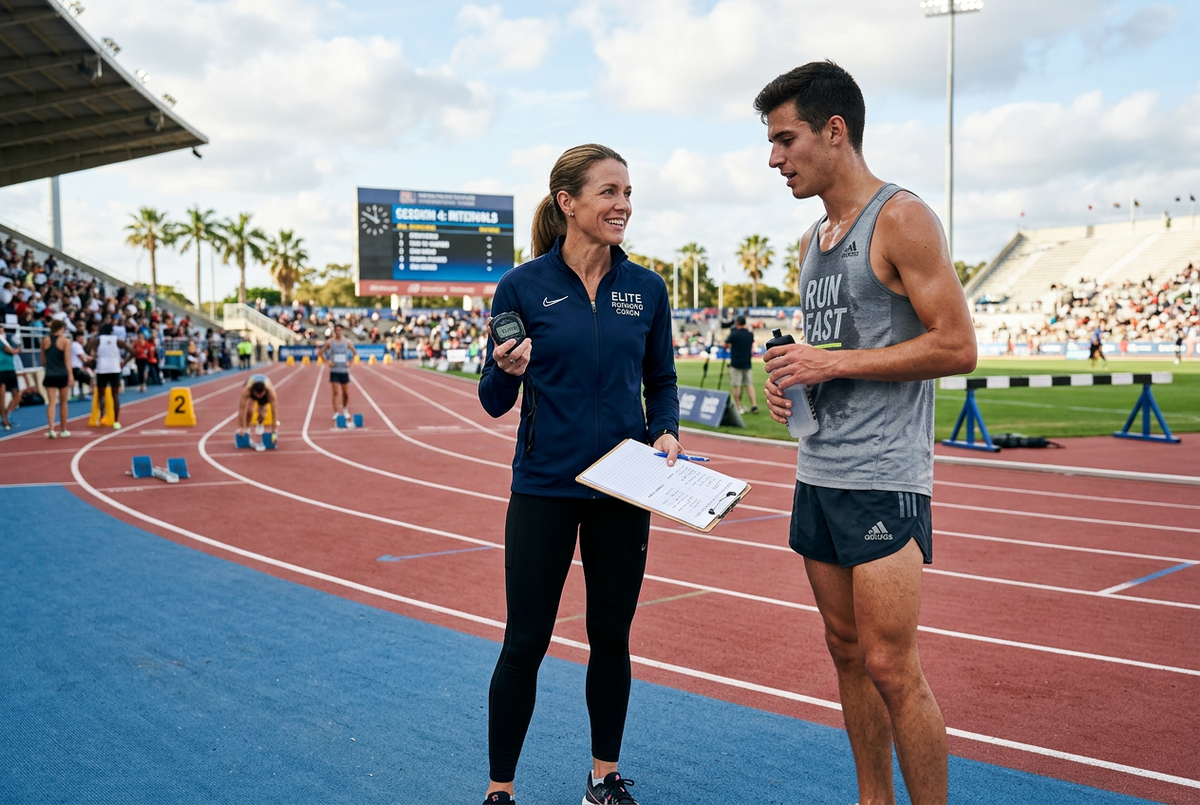
Sprint Timing System Buyer Checklist for Coaches
Compare sprint timing systems by start method, splits, athlete capacity, data workflow and total setup needs. A practical buyer checklist for coaches.

What Is a Good 40-Yard Dash Time?
A 40-yard dash time only makes sense when the test is run consistently. This guide explains how to interpret a 40, why timing method matters, and what the 10-yard split can tell coaches about acceleration.

Average Reaction Time: What Is Good for an Athlete?
What is a good reaction time for an athlete? Learn how average reaction time is measured, why results vary by test, and how coaches can interpret reaction-time numbers in a meaningful way.
Reaction Time Exercises for Athletes
Use these reaction-time exercises to train faster cue recognition, better decision-making and quicker movement. The drills progress from simple reaction work to sport-specific movement and objective timing.

How to Measure Reaction Time in Athletes
Reaction time is only one part of fast sport performance. This guide explains how to structure reaction tests, separate cue response from movement time, and build repeatable athlete testing protocols.
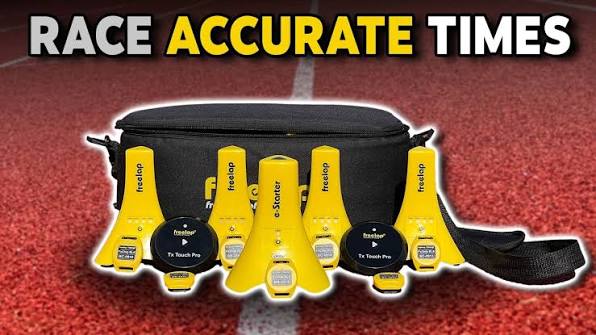
How to Build a Speed Testing Protocol for Team Sport Athletes
Sprint speed testing should match the training phase, athlete level, and decision being made. Learn practical testing frequency for coaches.