
Electronic timing systems that integrate with mobile apps provide immediate access to results, which changes how coaches run sessions and how events deliver data.
Systems designed for training environments use mobile apps to display sprint splits instantly. Event timing systems use mobile platforms to distribute results to participants and spectators. The best system depends on whether the priority is coaching feedback or event management.
What “live results” actually means in practice
Live results can refer to two different outcomes:
-
Immediate feedback during training.
-
Real-time result publishing during events.
In training, live results allow coaches to adjust sessions on the spot. In events, live results allow participants and spectators to see rankings and times as they happen. These are different use cases with different system requirements.
Mobile apps in training environments
In training, mobile apps are used to:
-
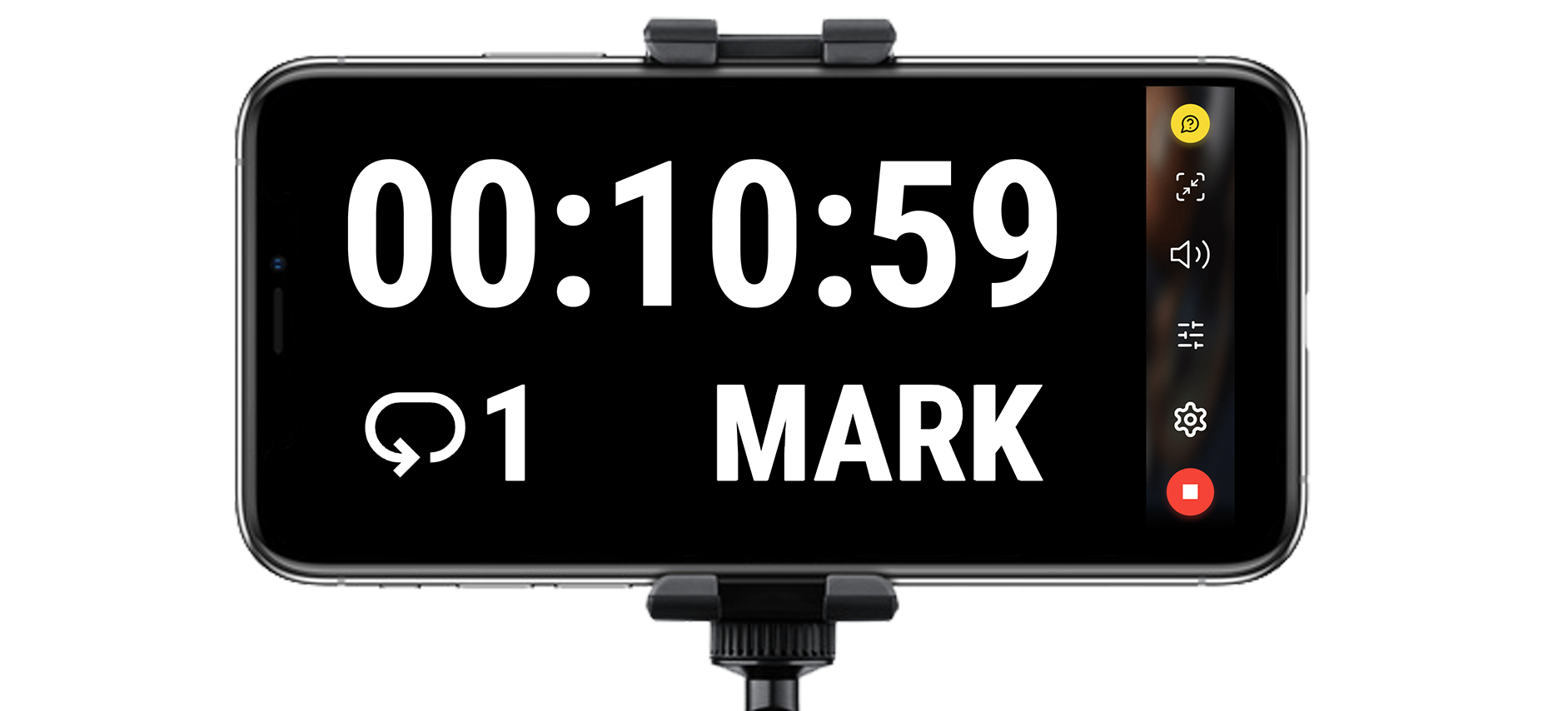
Display sprint splits immediately after a rep.
-
Store session data.
-
Compare performance across sessions.
-
Export results when needed.
Immediate feedback has been shown to improve performance adjustments during practice (Wulf & Lewthwaite, 2016). Coaches can confirm whether athletes are hitting target outputs without waiting until the end of the session.
Mobile apps in event timing systems
In event environments, mobile integration focuses on:
- Publishing results online.
- Providing live leaderboards.
-
Allowing athletes to track their performance.
These systems are typically connected to larger timing infrastructure such as RFID chip timing. The mobile app acts as a distribution tool rather than a measurement tool.

Where wearable timing systems fit
Wearable timing systems designed for sprint testing connect directly to mobile apps. Timing data is sent from the transponder to the app without manual input. This allows:
-
Immediate split display.
-
Minimal delay between effort and feedback.
-
Simple session management.
The focus is on reducing the gap between measurement and decision.
Where RFID systems fit
RFID-based systems integrate with mobile platforms for result distribution. They are designed to handle:
-
Large participant numbers.
-
Automated timing across checkpoints.
-
Live result publishing.
The timing itself happens through chip detection. The mobile app delivers the results externally.
Differences in data flow
Training systems:
Measure → send data to app → coach reviews instantly.
Event systems:
Measure → process through timing system → publish to app or website.
The difference is speed and purpose. Training systems prioritize immediate feedback. Event systems prioritize accurate ranking and distribution.
What affects reliability in mobile timing systems
Mobile-based timing systems depend on:
-
Stable wireless connection.
-
Reliable sensor detection.
-
Clear user interface.
-
Consistent data syncing.
Research on sport technology use shows that systems with simple interfaces and reliable data flow are used more consistently by coaches (McLean et al., 2020). Complex interfaces reduce adoption, even when data quality is high.
If you need data you can trust week to week
Small improvements only matter if the measurement stays consistent. Systems that reduce variability tend to produce more usable trends.
See sprint timing systems designed for repeatable results
Where Freelap fits in mobile timing
Freelap integrates with the MyFreelap app to provide immediate sprint data. The system is built for training environments where coaches need:
-
Quick access to split times.
-
Session tracking without manual entry.
-
Reliable data across repeated efforts.
The mobile app is part of the measurement process, not just a display tool.
When to use event-based mobile timing systems
Use event-based systems when:
-
You are running races or competitions.
-
You need live leaderboards.
-
You are managing large participant groups.
These systems are designed for scale and result distribution.
Practical recommendation
Choose a system with mobile integration that matches your use case. For training, prioritize systems that deliver immediate, usable data to the coach. For events, prioritize systems that handle participant volume and publish results reliably. The value of mobile integration is determined by how quickly and clearly it supports decision-making.
Comparison of Timing Systems with Mobile Integration
|
System Type |
Real-Time Feedback |
App Integration |
Primary Use |
|
Wearable Timing Systems |
Immediate |
Direct |
Training |
|
RFID Systems |
Delayed |
Integrated platforms |
Events |
|
GPS Systems |
Processed |
Dashboard-based |
Team analysis |
Common Questions About Timing Apps
-
Do timing systems work with mobile apps?
-
Many modern systems connect directly to mobile apps for real-time data display and storage.
-
-
Can you get live results on a phone during a race?
-
Yes, event timing systems often publish results through mobile platforms.
-
-
Are mobile apps accurate for timing sports?
-
The app displays data. Accuracy depends on the timing system collecting the data.
-

Share:
Best Electronic Timing Systems for Post-Secondary Sports (Canada & US)
Best Electronic Timing Systems for Canadian Road Races